Perham, Minnesota · Otter Tail County · Est. 1914 · Dryland Grain & Edible Beans

A Steeke family farm · Est. 1914

Growing food that matters.
From soil that's getting better.

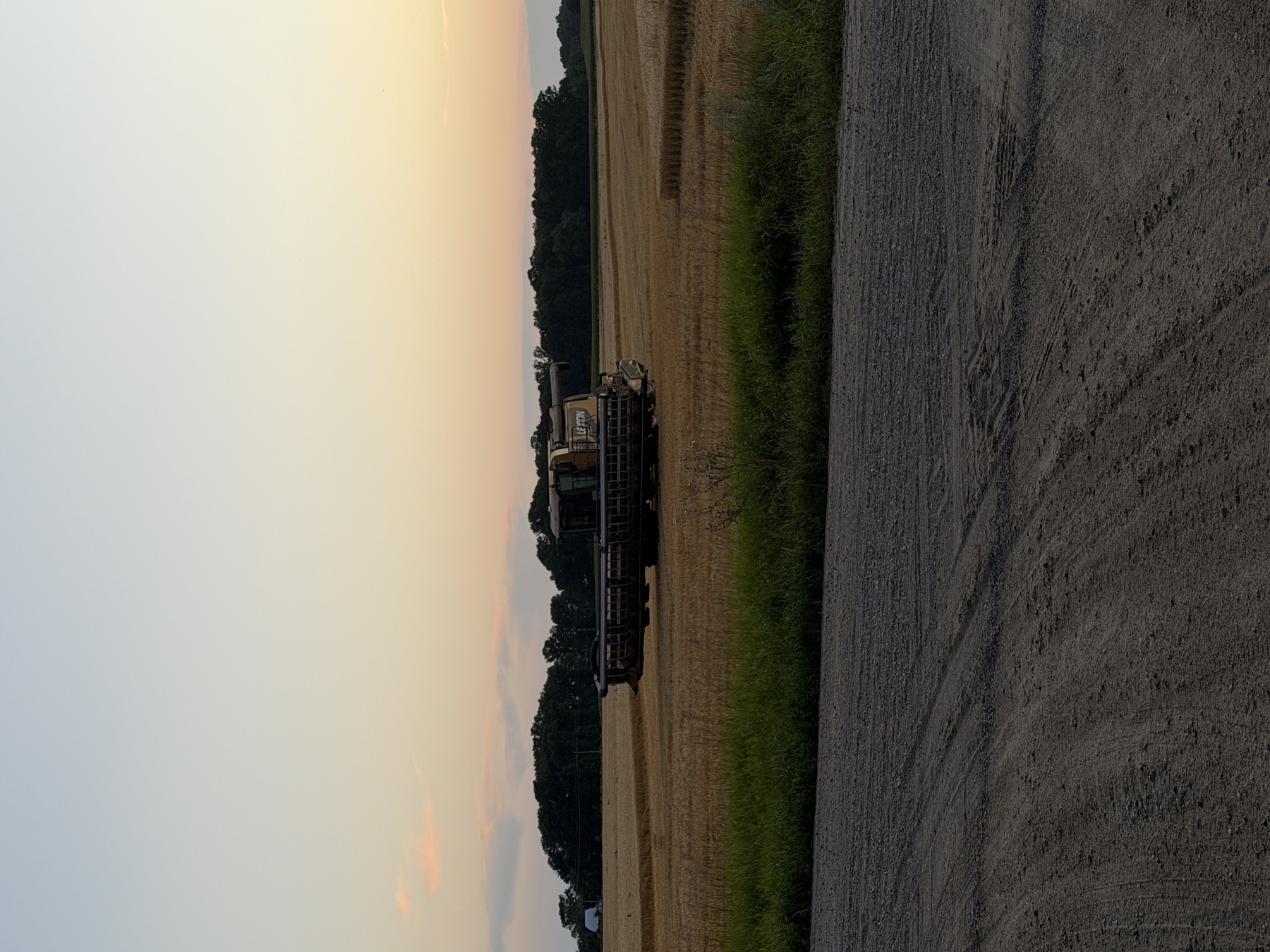
Nineteen14 Farms is a small family grain farm in Otter Tail County, Minnesota — rooted in dairy heritage, refined by modern agronomy. Non-GMO corn, spring wheat, and food-grade beans, raised with cover crops on every acre, decisions made from real data, and software we built ourselves running the farm’s numbers around the clock.

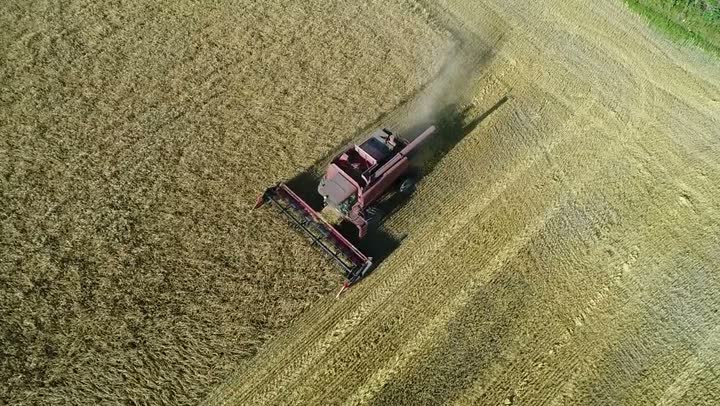
Barley harvest · 2017
1914Established
100%Non-GMO · Glyphosate-free
5+ yrsWithout an insecticide
0Acres we’re chasing
No. 01 — The Approach

Precision, sustainability, and a deep understanding of soil health

Nothing here happens on a hunch. Every seed rate and every pound of fertilizer answers to the field’s own record — and underneath it all, one goal: soil that’s better next year than it was this one.

01

Building Soil Carbon

We grow carbon — cover crops, reduced tillage, residue feeding the soil — and we add it, pairing humic acids and sugars with every pass we can. Better structure, more biology, less bought-in fertility.

02

Data-Driven Management

Yield maps, SWAT zones, in-season soil and tissue testing, and variable-rate seed and fertilizer — the field’s own record sets every rate, on every pass.

03

Working With Nature

Living roots as long as the season allows, minimal disturbance, and split nutrient applications timed to what the crop is asking for. Build, don’t deplete.

No. 02 — The Rotation · Recorded June 2026

What’s in the ground this year

Cornnon-GMO, banded at planting, fed by zone A Third Row Crop
Spring Wheatback in the rotation as of 2026 A Third Small Grain
Black Turtle Beansfood-grade, bound for dinner tables A Big Third Edible Bean
Oatsplus cover crops working year-round A Few Acres Small Grain

Rotation years have also carried spring barley, field peas, soybeans, small red beans & cover-crop seed.

Every acre glyphosate-free — and the rotation only gets more diverse from here.

No. 03 — In the Field

Our farm in action

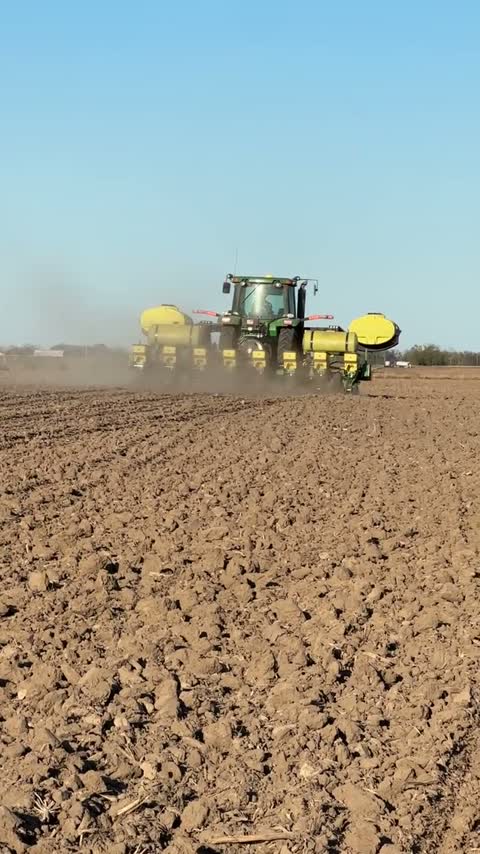
Spring around Perham doesn’t wait. When the frost is out, the planter rolls — into corn stubble and cover-crop residue, banding the first feeding right beside every seed, rates shifting zone by zone.

Watch a season’s work from the air, then dig into how each pass gets decided.

What We Do
Aerial view of a combine harvesting golden barley
Barley harvest, from the air (2017)
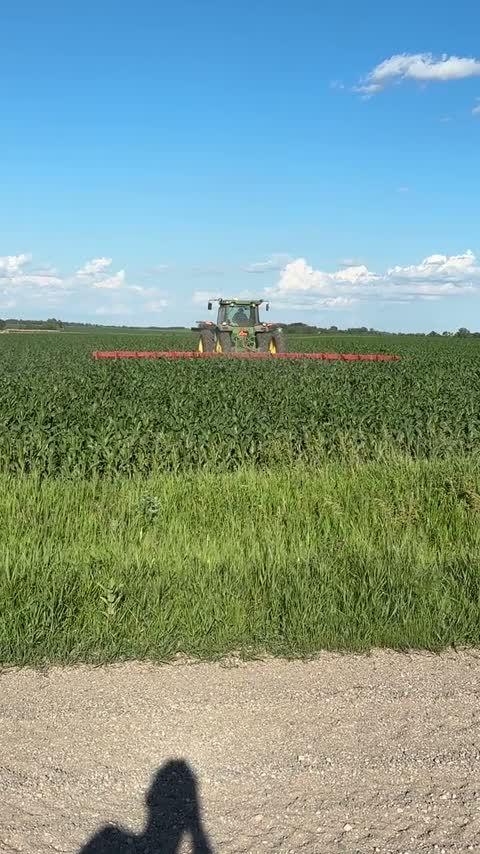
Tractor and planter working a dusty spring field
Planting — spring
Tractor making an in-season pass through green corn
An in-season pass
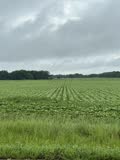
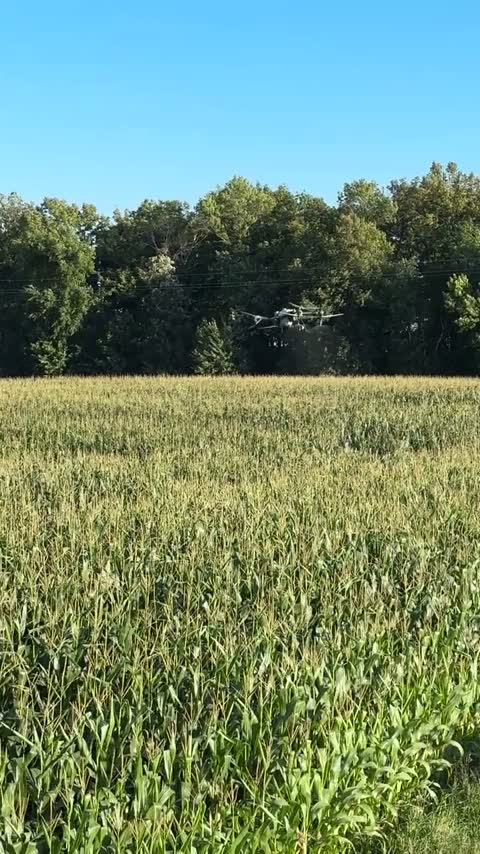
Green July corn from the field edge
July — the crop responding
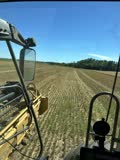
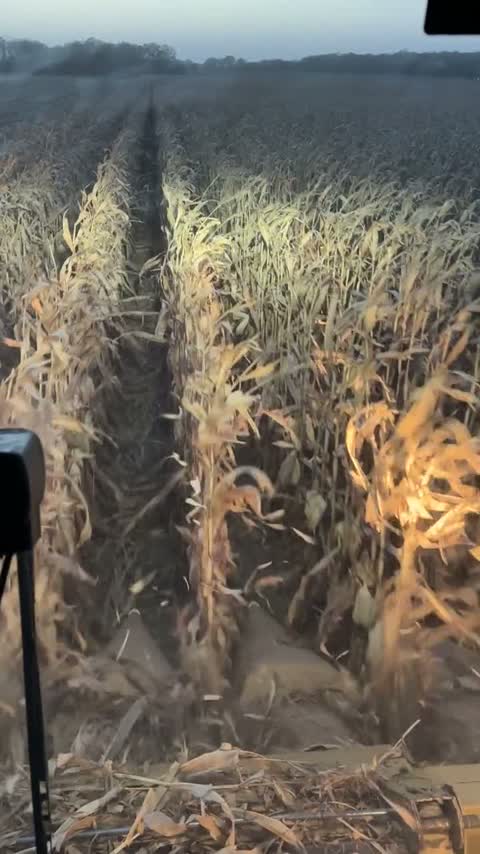
View over the corn header during harvest
Riding the corn header
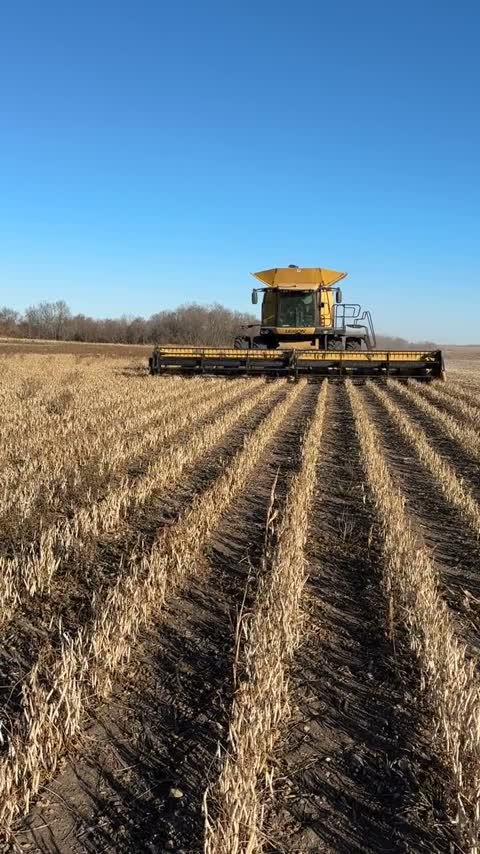
Combine harvesting edible beans head-on
Bringing in the edible beans
No. 04 — The AI Farm Office

The market never sleeps.
Neither does the office.

We built our own software to run the business side of the farm. Grain OS — our own grain-marketing desk, built right here — watches futures, tracks local bids, and checks every idea against hard farm rules before it ever becomes a recommendation.

Each weekday morning it issues one disciplined suggestion. It never trades on its own — that’s the rule it can’t break.

And Grain OS is just the flagship. Four systems built on this farm now work its data — seed maps from yield history, satellite scouting, an AI agronomist over every soil and tissue test — with a fifth, a field-intelligence platform, on the way.

Inside the AI Farm Office
Field Ledger — A Typical Morning
03:00positions & contracts sync overnight
06:15local elevator bids come in
07:00AI drafts one recommendation, rule-checked
07:05Michael reads it — and makes the call
08:30day session opens · futures tracked all day

AI recommends. The farmer decides. Always.

No. 05 — Follow the Season

Follow the season

The farm writes as it goes — the long reads live here, the day-to-day lands on X. No inbox required, nothing for sale.

The Long Game

Better acres.
Not more of them.

It shouldn’t take a thousand acres to provide for a family. The goal here isn’t more ground — it’s more life in the soil we already farm, and crops healthy enough to prove it, measured in carbon season over season. Next chapter: the cows come back to graze the covers, the first animals on this ground since the dairy days.

What Soil Health Really Means