Free of disease
Not because it got sprayed clean — because it never got sick. A crop fed in balance resists disease on its own, which is why fungicide passes are rare here. Nutrition is the first line of defense.
Some of the ground we farm is ours. Some belongs to neighbors who trust us with it. Every acre gets managed for the same thing: soil health. Not the buzzword — the real thing. Here’s what that actually means.
Ask around, and that’s the answer you’ll usually get. But tillage is one piece of a much bigger picture. Soil health is the soil’s ability to grow a healthy crop. Which raises the better question — what’s a healthy crop?
Not because it got sprayed clean — because it never got sick. A crop fed in balance resists disease on its own, which is why fungicide passes are rare here. Nutrition is the first line of defense.
You don’t guess at balance — you test for it. Tissue samples through the season show what actually made it into the plant, and the feeding program adjusts to what the crop says, not what the calendar says.
Stressed, imbalanced plants ring the dinner bell for insects. Balanced ones mostly get left alone — one reason this farm hasn’t sprayed an insecticide in over five years.
Healthy soil creates healthy crops — and the soil will tell you, through more indicators than most people ever look at.
Carbon saturation is the soil-health number we manage for. The raw figure is WEOC — the water-extractable organic carbon that actually feeds soil biology — but a raw number lies, because a sand and a clay can’t hold the same carbon. So we measure WEOC against each soil’s own holding capacity (its CEC) and chase a saturation above 10, soil type by soil type.
Here’s the bet we’re happy to be held to: when carbon saturation rises, the land is getting more productive — holding more water, cycling nutrients better, needing fewer purchased inputs to do it. The 2026 sampling has our first fields just over the line and others with ground to make up — we track every one, year over year — and all of it is dryland: no irrigation, just soil built to hold the rain it’s given. That’s half of why the carbon matters.
A farmer gets roughly forty seasons in a lifetime. We don’t waste ours.
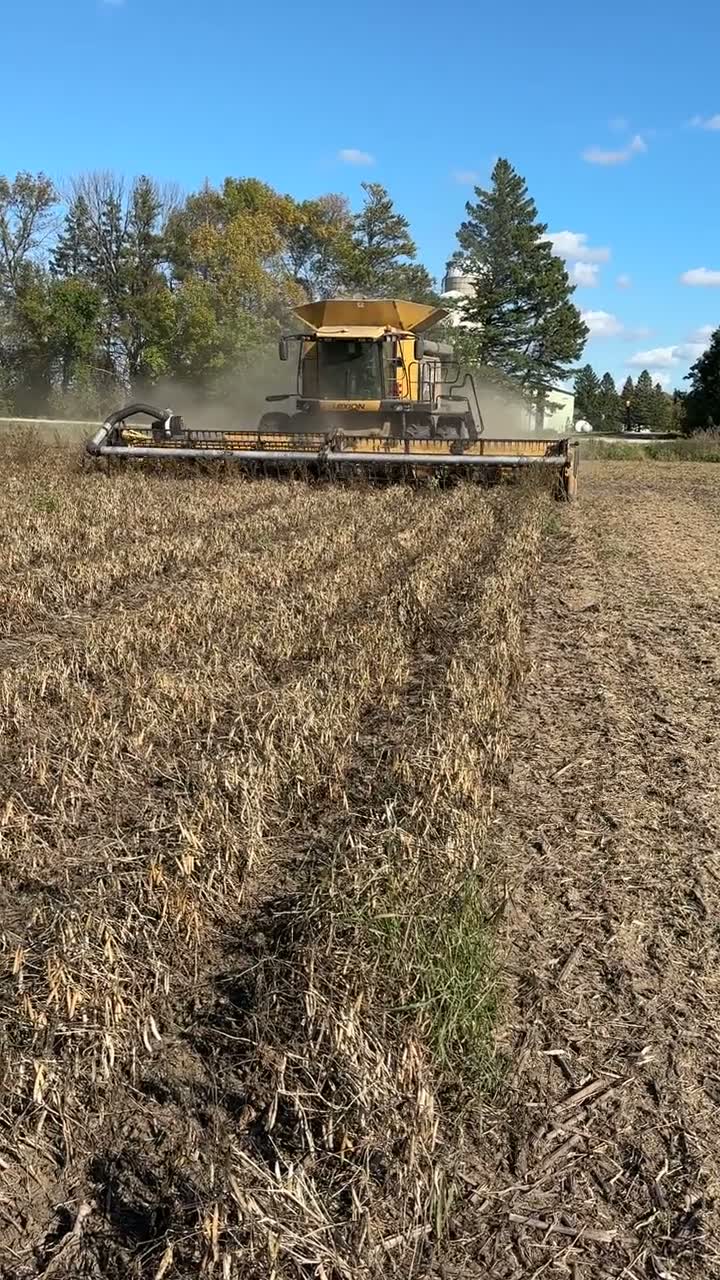
The north star here is food that actually reaches a table — like the black turtle beans in this clip, headed from our dryland ground toward somebody’s dinner plate.
That’s why the soil program isn’t marketing. Healthier soil grows more nutritious food, and the land it comes from gets better at the same time. The eater, the soil, and the farm all come out ahead.
And the next chapter moves even closer to the plate — the whole vision is in Why We Farm.
Five questions, asked every December. Notice what’s not on the list: yield, price, the neighbors, acres.
Green across the board is a good year — whatever the yield monitor said.
When the season hands us something worth writing down — a trial result, a test worth explaining, a photo worth keeping — it goes in the Field Notes, free for anyone to read. What soil health actually means, what a tissue test can say that a soil test can’t, why food grown this way is different.
Written for farming and non-farming readers alike. Nothing for sale — just what we’re learning, passed along.
Read the Field Notes →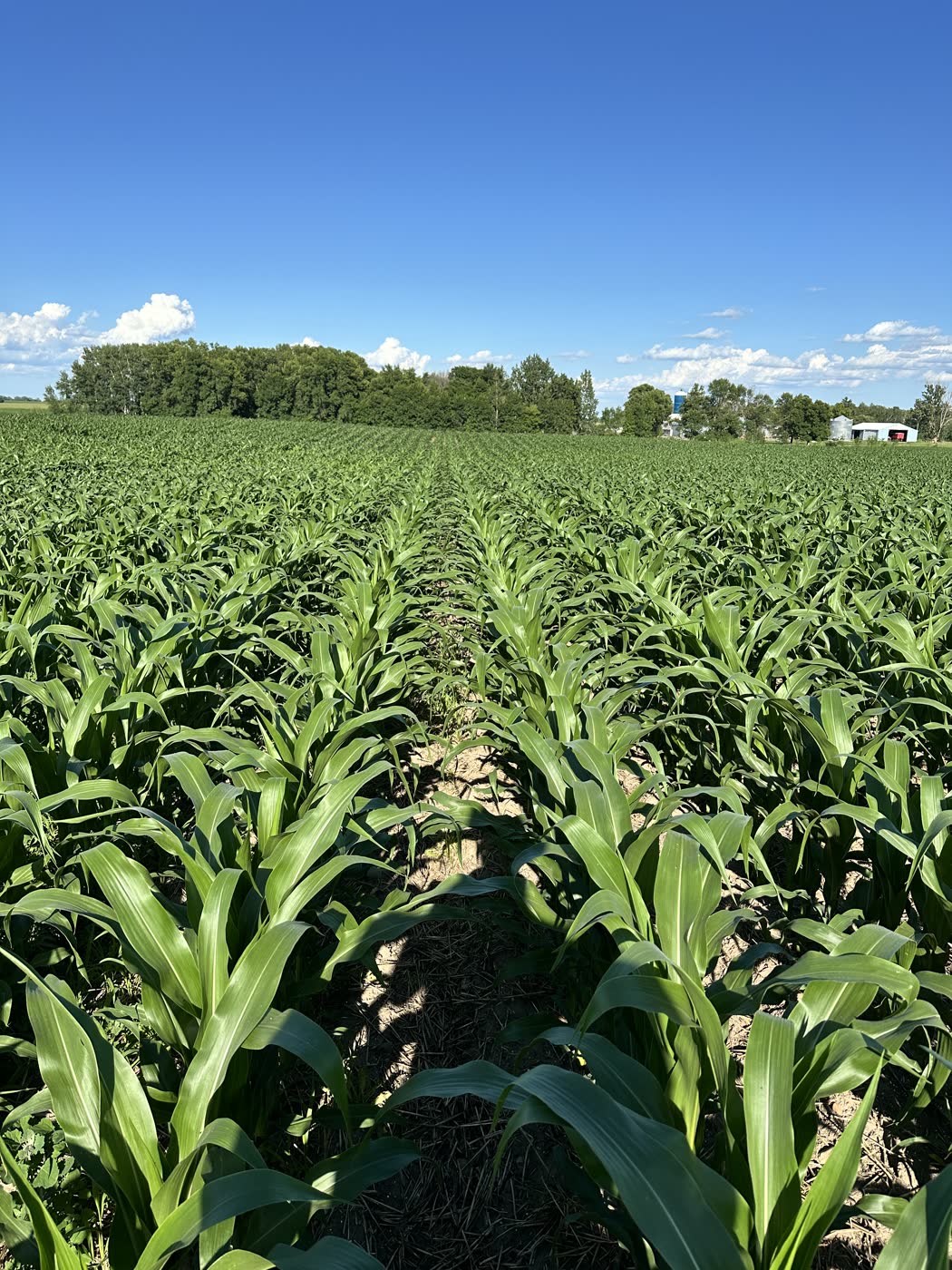
July — knee-high and climbing
Saw something on the site, in the Field Notes, or on X you want the longer story on? Wondering what a number on a soil test actually means? Reach out — this is the stuff we never get tired of talking about.